Yard Management System YMS: the intelligent solution for monitoring inbound and outbound vehicles and goods.
With FasThink’s Yard Management System, efficiency, control, and safety in the management and planning of vehicles and goods entering, stopping, and leaving the yards.
YMS is a transport management system used to monitor all vehicles entering and exiting warehouses or production units and to digitally manage loading and unloading operations of goods.
The System
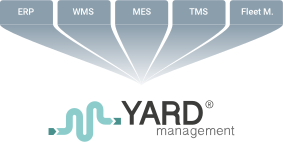
YMS is developed on a web platform and structured to interface with management systems such as ERP, WMS, MES as well as to interact with field technologies such as cameras, identification systems, and access control.
The system includes AI modules to optimize and improve resource efficiency. Thanks to the management of different profiles, YMS makes it possible to differentiate and simplify usage for users with different roles within the company.
Yard Management, through its tools, allows the management of specific tasks such as:
- Yard Booking: web portal dedicated to suppliers for transport booking
- Self Check-in: typically accessible from a kiosk located at the entrance that allows independent management of all check-in operations
- Messaging: real-time communication system between internal and external users of the YMS platform
Modules & Functions
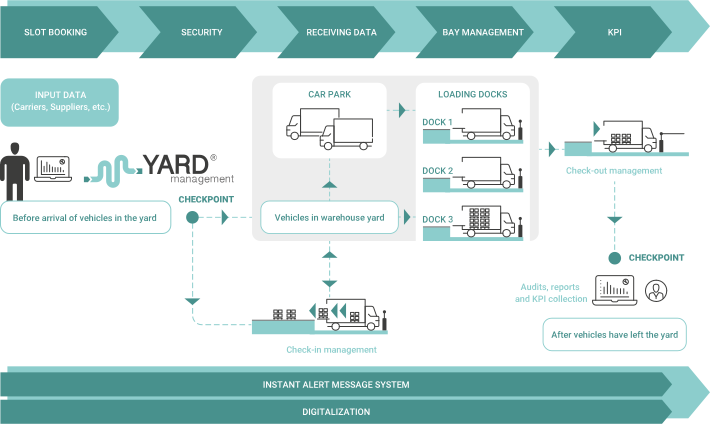
- SLOT BOOKING for scheduling and optimizing the management of arrivals
- SECURITY for vehicle access verification and authorization
- RECEIVING DATA for managing transport documents and granting access to unloading bays
- BAY MANAGEMENT for dynamic management and traceability of loading/unloading activities
- KPI for generating reports on operational KPIs, waiting times, etc.
- DIGITAL DOC for document digitalization
Thanks to integration with warehouse management systems (WMS), transport systems (TMS), or fleet management systems, YMS is the ideal solution to significantly increase efficiency, improve safety, and reduce costs.
Benefits
- Reduction of Waiting and Loading/Unloading Times
Estimated percentage reduction from 10% to 30%
Waiting times for loading and unloading can be drastically reduced thanks to more efficient planning. YMS allows optimal dock assignment management, avoiding queues and idle times for trucks, thus improving turnover times. - Optimization of Resource Use and Operating Costs
Estimated percentage reduction up to 20%
YMS enables optimized management of personnel and equipment, such as forklifts and vehicles for moving goods. This improvement in management results in lower operating costs, thanks to more efficient use of resources. - Decrease in Error Rate and Associated Costs
Estimated percentage reduction from 10% to 15%
Thanks to a centralized system that controls every operation, it is possible to reduce errors in vehicle movements, dock assignments, and order management. Fewer errors mean lower costs related to delays and incorrect shipments. - Improvement of Warehouse Efficiency and Reduction of Storage Costs
Estimated percentage reduction from 15% to 25%
Optimized flow management improves the efficiency of storage areas and reduces goods’ dwell times, thus helping to decrease costs related to warehouse space. - Increase in Visibility and Real-Time Monitoring
Estimated percentage reduction variable but with significant indirect impact
YMS provides real-time visibility, allowing companies to react promptly to any issues or changes, thereby reducing time losses and costs related to inefficiency. - Improvement of Vehicle Utilization and Savings in Transport Costs
Estimated percentage reduction from 5% to 15%
More efficient planning makes better use of vehicles, reducing empty trips and optimizing routes. The result is a significant reduction in fuel and vehicle maintenance costs. - Reduction of Total Cycle Times
Estimated percentage reduction up to 30%
Optimized management reduces the overall operational cycle time, speeding up operations and increasing the ability to handle a greater number of activities with the same resources. - Savings on Labor Costs
Estimated percentage reduction from 10% to 20%
By automating and improving the coordination of operations, it is possible to reduce labor requirements, with a positive impact on overall personnel costs, and labor demand is reduced, with positive effects on overall personnel costs. - Sustainability
The implementation of a YMS system can play a crucial role in the company’s sustainability strategy, helping organizations achieve environmental goals. By optimizing vehicle flow within the yard, the system significantly reduces truck waiting times, which translates into lower fuel consumption and, consequently, a marked decrease in CO2 emissions.